
Relieving Foot Pain: Flat Feet & Plantar Fasciitis Solutions
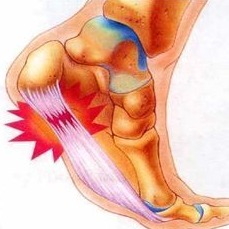
Understanding Flat Feet and Plantar Fasciitis
Flat feet, also known as pes planus, is a common condition characterized by the collapse or absence of the foot’s natural arch. Individuals with flat feet often experience the entire sole of the foot coming into complete or near-complete contact with the ground, especially when standing. While some people with flat feet may never experience discomfort, others can develop persistent pain, particularly in the heel or arch, which can impact mobility and quality of life.
One of the most frequent complications associated with flat feet is plantar fasciitis. This condition refers to inflammation of the plantar fascia—a thick band of connective tissue that runs along the bottom of the foot, connecting the heel bone to the toes. When the arch collapses, the plantar fascia may stretch excessively, resulting in tiny tears, inflammation, and a sharp, stabbing pain, especially with the first steps in the morning or after prolonged periods of rest. Plantar fasciitis is a leading cause of heel pain and can be exacerbated by prolonged standing, high-impact activities, improper footwear, or excess body weight.
Understanding the intricate connection between flat feet and plantar fasciitis is essential for both prevention and effective treatment. Recognizing the early signs of discomfort, such as aching arches or heel tenderness, empowers individuals to seek timely intervention and minimize the risk of chronic foot pain.
Common Causes and Symptoms of Foot Pain
Foot pain is a prevalent complaint that affects millions of people, often interfering with daily activities and overall quality of life. Understanding the most common causes and symptoms is essential for identifying appropriate treatment strategies and preventing chronic discomfort. Among the leading contributors to foot pain are flat feet and plantar fasciitis, but other factors such as improper footwear, repetitive stress, and underlying medical conditions can also play significant roles.
Primary Causes of Foot Pain
- Flat Feet: This condition, also known as fallen arches, occurs when the arches of the feet collapse, resulting in the entire foot making contact with the ground. Flat feet can cause discomfort along the inner side of the foot, lead to overpronation, and place extra strain on muscles and ligaments.
- Plantar Fasciitis: Characterized by inflammation of the plantar fascia—a thick band of tissue running along the bottom of the foot—this condition often produces sharp, stabbing pain near the heel, particularly noticeable with the first steps in the morning.
- Other Contributing Factors: Foot pain may also stem from ill-fitting shoes, high-impact activities, or systemic issues such as arthritis and diabetes, which can exacerbate discomfort and increase the risk of injury.
Recognizing Symptoms
Symptoms vary depending on the underlying cause, but commonly include persistent aching, swelling, tenderness, stiffness, and difficulty bearing weight. Individuals may also notice pain intensifies during prolonged standing, walking, or after periods of rest.
Recognizing these causes and symptoms is the first step towards effective intervention and long-term relief, paving the way for targeted treatments such as physical therapy.
Why Physical Therapy is Essential for Foot Pain Relief
Foot pain can be debilitating, affecting every step and limiting daily activities. Whether caused by persistent discomfort often signals the need for targeted intervention. Physical therapy stands out as an essential component in the management and relief of foot pain, offering a holistic approach that addresses both the symptoms and root causes of discomfort.
One of the primary reasons physical therapy is indispensable lies in its personalized treatment plans. Therapists assess individual biomechanics, gait patterns, and muscle imbalances to design exercises and stretches tailored to each patient’s unique needs. This customized approach helps restore proper function, improve mobility, and reduce inflammation, leading to sustainable pain relief rather than temporary fixes.
Physical therapy also educates patients about the mechanics of their condition. Understanding how flat feet or plantar fasciitis develops empowers individuals to take an active role in their recovery. Therapists teach proper foot care, footwear choices, and self-management strategies that can prevent recurrence and promote long-term wellness.
- Manual therapy techniques—such as massage and mobilization—can alleviate tension in the plantar fascia and surrounding tissues.
- Strengthening exercises target the muscles supporting the arch, providing better foot stability.
- Balance and proprioception training helps retrain the body to distribute weight evenly, reducing stress on vulnerable areas.
By addressing the interconnected factors contributing to foot pain, physical therapy offers not only immediate relief but also equips patients with the tools to maintain healthy, pain-free feet. This comprehensive approach forms the cornerstone of effective foot pain management, paving the way for lasting comfort and improved quality of life.
When to See a Physical Therapist
Recognizing the right moment to consult a physical therapist can make a significant difference in managing flat feet, plantar fasciitis, and persistent foot pain. Often, individuals dismiss minor discomfort or attribute it to temporary factors such as fatigue or ill-fitting shoes. However, when pain becomes chronic, interferes with daily activities, or fails to improve with rest and home remedies, it’s time to seek professional guidance.
Key Signs You Should Seek Professional Help
- Persistent Pain: Ongoing discomfort in the heel, arch, or along the bottom of the foot—especially after periods of rest—may signal underlying issues that require targeted intervention.
- Difficulty Walking: If you notice limping, altered gait, or an inability to walk comfortably due to pain or stiffness, a physical therapist can assess for biomechanical imbalances.
- Swelling or Inflammation: Unusual swelling, redness, or warmth in the foot region, particularly around the arch or heel, should not be ignored, as these can indicate worsening plantar fasciitis or complications from flat feet.
- Ineffective Self-Care: When stretching, rest, ice, or over-the-counter supports fail to provide meaningful relief, professional assessment and customized therapy become crucial.
Early intervention from a physical therapist not only helps relieve pain but also addresses the root causes, preventing further deterioration and promoting long-term foot health. Taking the step to consult a specialist empowers you to return to your favorite activities with confidence and comfort.
Find Relief from Foot Pain at Arlington Physical Therapy
Foot pain can be both debilitating and frustrating, especially when it interferes with daily activities and overall quality of life. At Arlington Physical Therapy, we understand just how much discomfort conditions like flat feet and plantar fasciitis can cause—impacting everything from your morning walks to your ability to stand comfortably at work. Our clinic specializes in providing targeted, evidence-based solutions designed to address the unique needs of each individual struggling with chronic foot pain.
When you step into our facility, you’re met with a team of compassionate professionals who take the time to listen to your concerns. We begin each journey with a comprehensive assessment, analyzing your gait, foot structure, and the specific causes of your discomfort. Whether you’re experiencing sharp pain in your heel from plantar fasciitis or persistent aches due to flat arches, we tailor a treatment plan that addresses your symptoms at their source—not just the surface.
Customized Treatment Plans
- Manual Therapy: Hands-on techniques to ease tension and improve mobility in the foot and ankle.
- Therapeutic Exercises: Strengthening and stretching routines designed to support your arches and reduce strain on the plantar fascia.
- Education: Guidance on proper footwear, orthotics, and at-home strategies to maintain pain relief and prevent recurrence.
At Arlington Physical Therapy, our goal is to help you reclaim comfort and confidence in every step. Discover how specialized care can be the turning point in your journey to a pain-free life—your path to relief starts here.
Explore More Health Resources from Our Blog

Stay Injury-Free While Running in DFW Heat with These Prevention Strategies

How Physical Therapy Keeps Aging Adults Active and Independent

How to Fix Balance Problems and Vertigo with Physical Therapy

Top Diagnostic Services in South Dallas & Fort Worth | Expert Medical Diagnostics Near You