
Cupping Therapy: Advanced Pain Relief at Arlington PT
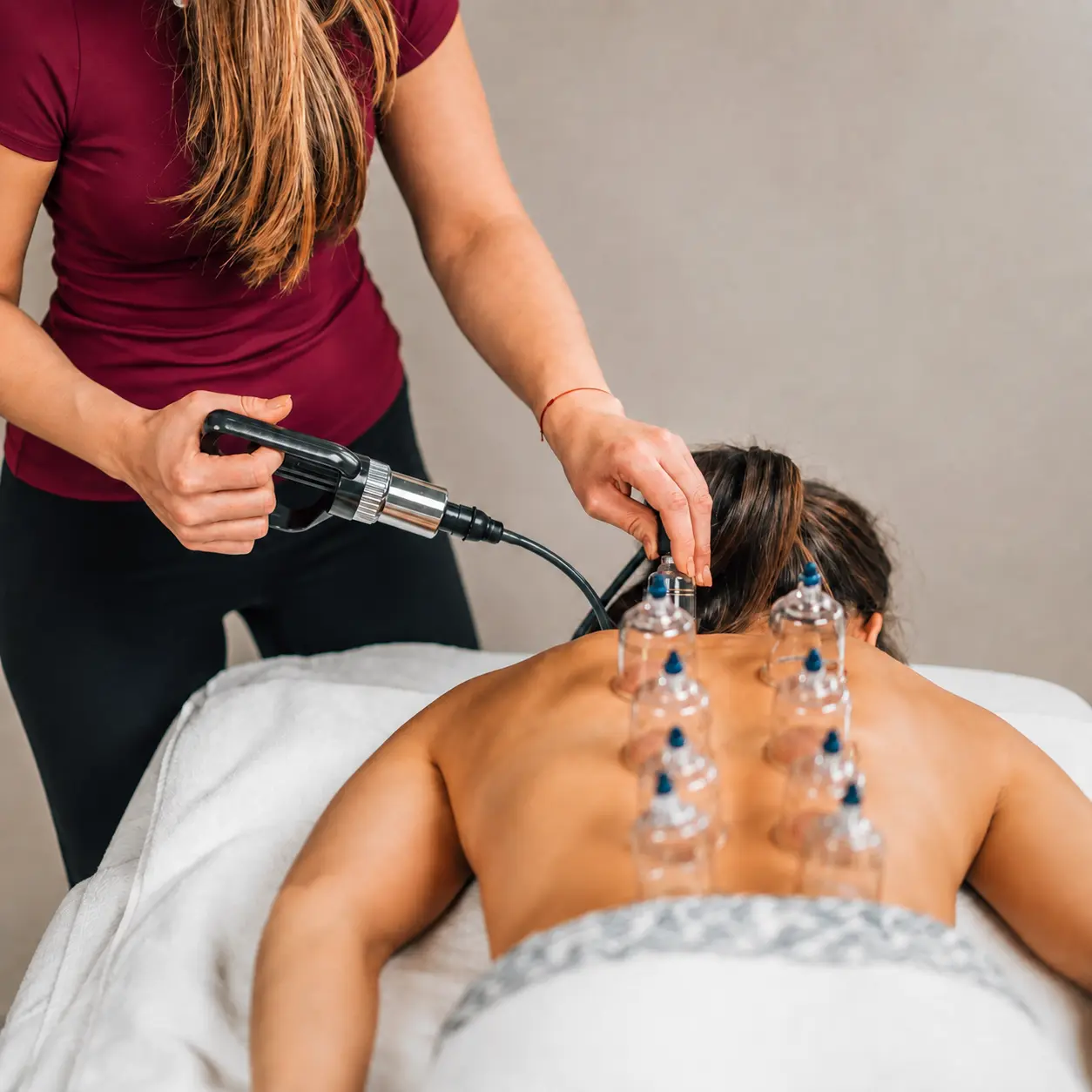
Cupping therapy is a time-tested technique that has been refined and integrated into modern physical therapy practice. At Arlington PT, we use therapeutic cupping to release tight muscles, improve blood flow, reduce inflammation, and support overall recovery, as part of a comprehensive, personalized treatment plan.
Unlike traditional massage, cupping uses suction to lift the soft tissue, creating a decompression effect that reaches deeper layers of muscle and fascia. It is particularly effective for patients with chronic tension, restricted movement, or stubborn areas that haven’t responded to other treatments.
Schedule An Appointment
Understanding How Cupping Therapy Works
Soft silicone or plastic cups are applied to the skin and create a gentle suction that lifts the underlying tissue. This promotes blood circulation to the area, releases fascial restrictions, reduces muscle tension, and stimulates the body’s natural healing response. Sessions typically last 10-20 minutes and can be combined with other therapies.
Schedule An Appointment
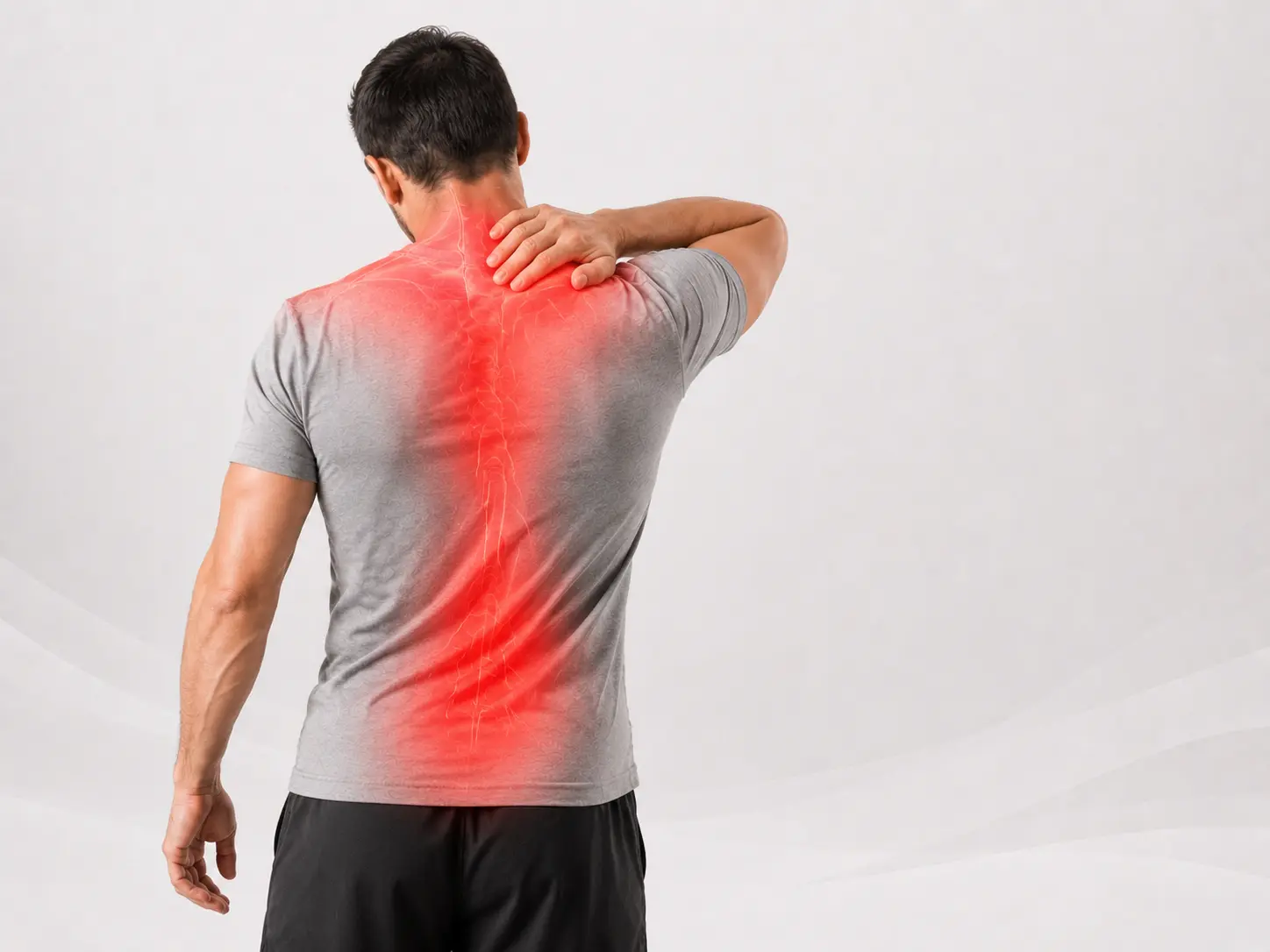
What Can Cupping Help With?
What to Expect
Cupping may leave temporary circular marks on the skin where the cups were applied. These are not bruises, they are caused by increased blood flow to the area and typically fade within a few days. Most patients find cupping sessions deeply relaxing and notice improved mobility and reduced pain following treatment.
Request an appointment
Explore Our Other Services
From personalized therapy to advanced diagnostics, discover treatments designed to relieve pain, restore movement, and help you get back to doing what you love.




Real Stories. Real Recovery.
Hear from patients throughout Arlington and the DFW area who have trusted Arlington PT for compassionate care, advanced treatment, and personalized recovery plans.
Ready to Start Your Recovery?
Our team at Arlington PT is here to help. Whether you’re dealing with pain, recovering from an injury, or looking to improve your movement and quality of life, we’ll build a personalized plan designed around your goals.